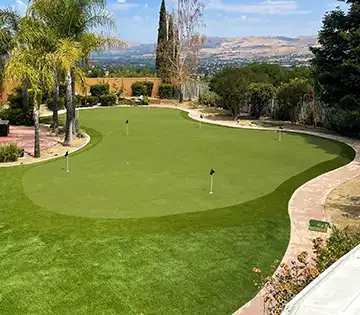
When Boise homeowners picture artificial turf, many imagine a full backyard lawn. That is only one option. Synthetic grass in Boise, ID can also solve problems in narrow side yards, shaded corners, pet areas, patios, play zones, and other spaces where natural grass is difficult to maintain. For anyone researching synthetic grass in Boise, the best project may be the area that currently gets ignored because it is muddy, patchy, hard to reach, or rarely used. This guide explores seven practical ways to turn those problem spaces into cleaner, more useful parts of the home.
Why the Best Turf Projects Often Start with a Problem Area
Not every property needs a complete lawn replacement. Sometimes the greatest improvement comes from fixing one space that creates daily frustration. A muddy path tracks dirt into the house. A shaded corner never grows evenly. A small pet run becomes difficult to clean. A patio feels unfinished.
Synthetic turf can create a consistent surface without requiring mowing, fertilizer, or the same routine watering as natural grass. The key is to match the product and installation system to the way the space will actually be used. Drainage, traffic, pets, furniture, sun exposure, and surrounding hardscape should all influence the plan.
Idea 1: Turn a Narrow Side Yard into a Clean, Usable Path
Side yards often receive limited sunlight and are difficult to reach with a mower. Natural grass may thin out, while bare soil turns dusty in summer and muddy after rain or snowmelt.
Turf can turn this narrow strip into a practical route between the front and backyard. It may also create a cleaner place for trash bins, garden access, or everyday foot traffic. The design should preserve access to gates, drains, utilities, and irrigation controls.
Because side yards can collect roof runoff, grading and drainage need careful attention. Turf should not be used to hide an existing water problem. The base must move water away from the home and prevent low areas from holding moisture.
Idea 2: Add Greenery Where Shade Makes Grass Struggle
Areas beside fences, under mature trees, or along the north side of a home may never receive enough sunlight for natural grass to stay full and healthy. Repeated seeding may improve the area temporarily, but the same thin patches often return.
Synthetic grass provides a consistent appearance without depending on direct sunlight for growth. It can be shaped around trees, planting beds, stepping stones, and curved borders so the space still feels connected to the rest of the landscape.
Tree roots, soil movement, and irrigation for nearby plants must be considered during planning. The goal is to improve the surface without interfering with the health of the surrounding landscape.
Explore SYNLawn Idaho’s residential landscaping options
Idea 3: Create a Dedicated Pet Relief or Play Area
A smaller pet zone can be more practical than converting an entire yard. It gives dogs a consistent place for bathroom breaks and play while protecting gardens, patios, or natural lawn areas from concentrated use.
Pet turf systems should prioritize drainage, easy cleaning, durable fibers, and a base designed for frequent use. The area should also have a convenient route for rinsing and enough access for regular waste removal.
Location matters. A pet zone near a side door may be convenient, but it should not direct drainage toward the foundation or a neighbor’s property. Shade, fencing, and the size and habits of the pet should also shape the design.
Explore artificial turf systems designed for pets
Idea 4: Build a Cleaner Backyard Play Zone
A play area does not need to cover the whole backyard. Turf can define a dedicated zone for a playset, small goals, lawn games, or everyday family activities while the rest of the landscape uses planting beds, pavers, gravel, or natural grass.
A consistent surface reduces the bare patches that often form beneath swings, around slides, and along common running paths. It also eliminates the need to move play equipment every time the lawn is mowed.
The installation should account for the equipment layout, expected traffic, drainage, edge transitions, and any impact-attenuation requirements. Homeowners should discuss the intended activity with the installer instead of selecting a product based only on softness or color.
Idea 5: Soften Patios, Pavers, and Hardscape
Large areas of concrete or pavers can feel visually hard, especially in smaller backyards. Turf can introduce color and texture as a border, an inset between pavers, or a transition between the patio and planting areas.
This approach works well when the goal is to add a green element without creating a traditional lawn. It can also help define separate outdoor areas for dining, seating, and movement.
Detailed cutting and secure edges are especially important around hardscape. The turf height should meet the surrounding surface cleanly so the transition looks intentional and does not create an awkward step.
Idea 6: Make a Deck, Balcony, or Rooftop Feel More Inviting
Synthetic turf is not limited to soil-based landscapes. Certain products can be used on decks, balconies, patios, and rooftop areas to create a softer outdoor surface.
These applications require a system selected for the structure, drainage, fire requirements, sun exposure, and expected foot traffic. The product and attachment method used for a ground-level lawn may not be right for an elevated space.
Before planning the design, confirm structural limits, drainage routes, door clearance, and how the surface will be cleaned. A professional review helps determine whether the area is suitable and which system details are required.
See SYNLawn Idaho’s roof, deck, and patio turf options
Idea 7: Divide the Backyard into Low-Maintenance Activity Zones
A backyard can serve more than one purpose without becoming cluttered. Turf may define a central play lawn, a pet area, a conversation space, or a walkway that connects different parts of the property.
Using turf as one material within a larger design creates contrast with pavers, rock, mulch, and planting beds. It also lets homeowners focus the investment on areas that benefit most from a durable, easy-to-maintain surface.
The layout should follow the way people naturally move through the yard. Furniture placement, gates, grill access, drainage, and views from inside the home can all affect where a turf zone will be most useful.
How to Choose the Right Space for Your First Turf Project
Walk around the property and look for the area that causes the most repeated work or frustration. A good starting point usually has one or more of these problems:
- Grass will not grow evenly because of shade or concentrated traffic
- Mud, dust, or loose material is regularly tracked into the home
- The area is too narrow, small, or awkward to mow
- Pets repeatedly wear down the same section of the yard
- An outdoor space looks unfinished or receives very little use
- Water collects because the grade or drainage needs correction
Once the problem area is identified, explain the daily use of the space during the site review. The installer can then recommend the turf, base, drainage approach, infill, and edge details that fit the application.
View completed SYNLawn Idaho projects for design inspiration
What to Confirm Before Approving the Design
Before work begins, homeowners should understand:
- The exact boundaries and total square footage of the turf area
- How water will move through and away from the space
- Which turf product is being recommended and why
- How the turf will meet pavers, concrete, fences, and planting beds
- Whether irrigation heads, drains, wiring, or utilities require adjustment
- What cleaning and maintenance the finished area will need
A clear plan helps prevent surprises and makes it easier to compare the finished project with the approved design.
Request a free consultation for your Boise turf project
Frequently Asked Questions
Can artificial turf be installed in a very small area?
Yes. Small side yards, pet zones, patio borders, and other compact spaces can be good candidates. Access, drainage, cutting requirements, and minimum project considerations should be reviewed before finalizing the plan.
Does synthetic grass work in shaded areas?
Yes. Synthetic grass does not need sunlight to grow. However, shade does not remove the need for proper drainage, debris removal, and attention to tree roots or surrounding plants.
Can turf be installed between pavers?
Yes. Turf strips or insets can be used between pavers when the design includes secure edges, correct height transitions, suitable drainage, and precise cutting.
Is the same turf used for lawns, pets, and rooftops?
Not always. Different spaces place different demands on the surface. Fiber construction, backing, drainage, infill, fire requirements, and installation methods should match the intended application.
Do I need to replace my entire lawn?
No. Turf can be installed in a selected problem area or used as one part of a mixed landscape design. The project scope should be based on how the property is used and which area would create the greatest improvement.