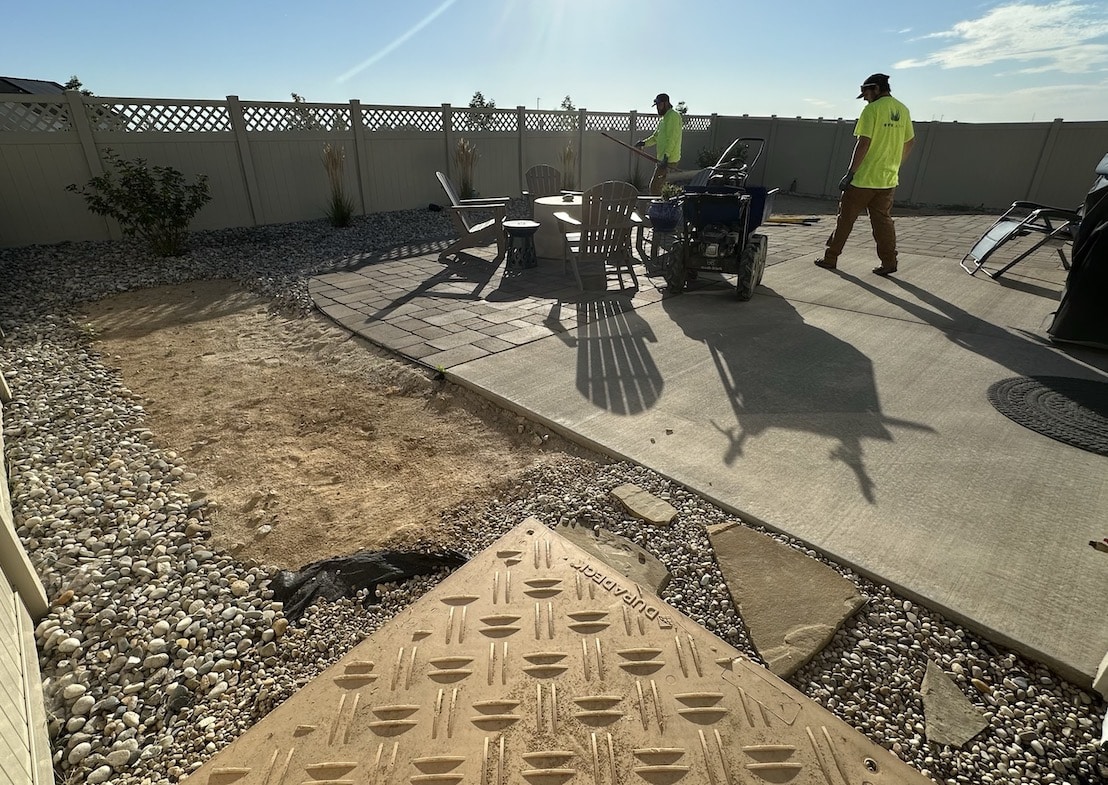
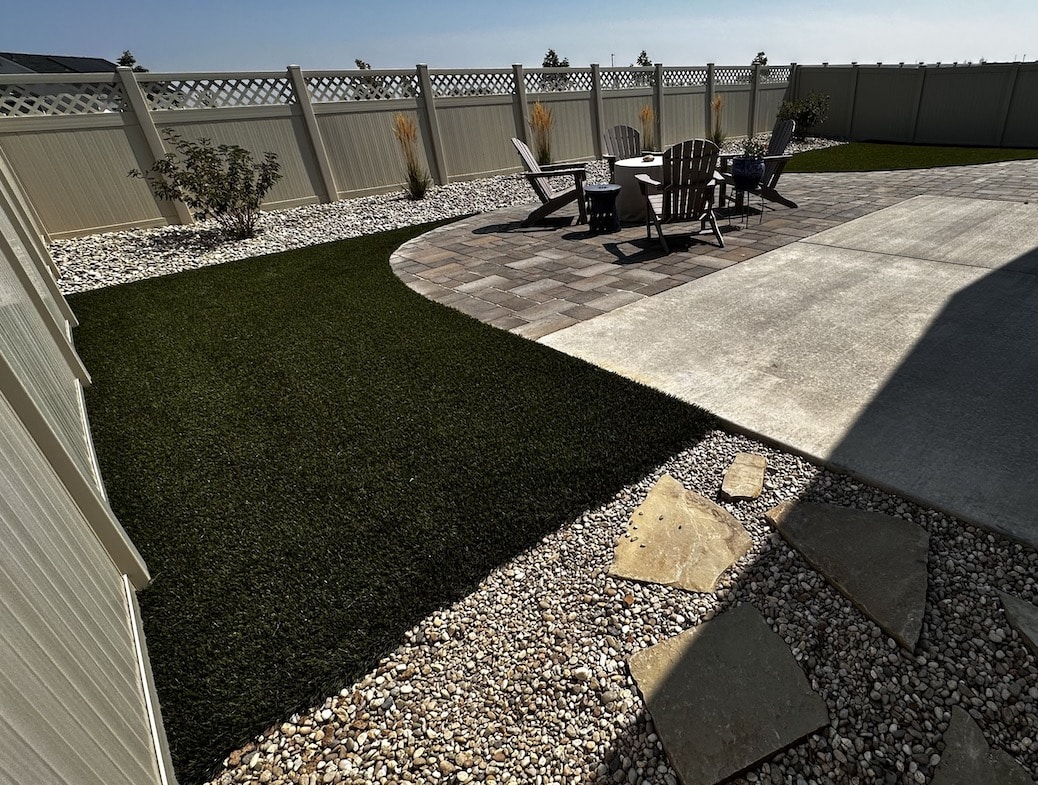
Nampa homeowners ask a lot from their yards. A lawn may need to handle bright summer sun, active kids, pets, weekend gatherings, and the daily wear that comes with outdoor living. At the same time, keeping natural grass green can mean regular watering, mowing, fertilizing, reseeding, and repairing the same thin or muddy areas year after year.
That is why more homeowners are looking at artificial grass in Nampa, Idaho as a practical alternative. The goal is not simply to have a greener yard. It is to create an outdoor space that stays usable, looks consistent, and requires less routine work. But artificial turf is not the right solution for every property, and the quality of the result depends on the product, base, drainage, and installer.
This guide explains where artificial grass makes the biggest difference, what Nampa homeowners should consider, and how to decide whether it is the better long-term fix for your yard.
Why Nampa Lawns Can Be Difficult to Keep Consistent
Natural grass needs the right balance of sunlight, water, soil conditions, and maintenance. When one part of that system is off, the lawn often shows it quickly. High-traffic areas become thin. Shaded sections struggle to grow. Pet routes turn into worn paths. Irrigation may keep one section green while another stays dry or develops standing water.
These problems can become more noticeable during Idaho’s seasonal changes. A lawn that looks healthy in spring may require much more attention during summer. After rain or snowmelt, compacted or low areas may stay muddy. Over time, homeowners can end up spending more time correcting problem spots than enjoying the yard.
Artificial turf removes the need to keep grass alive, but it does not remove the need for good planning. A successful installation begins by identifying why the existing yard is failing. Drainage, grading, shade, traffic, and pet use should guide the design.
Where Artificial Grass Makes the Biggest Difference
A full lawn replacement is only one option. Many Nampa homes benefit from using turf in the areas that create the most work.
High-Traffic Backyard Areas
The route from the patio to the gate, playset, shed, or garden often wears out first. Artificial grass can create a clean, consistent surface in these busy zones without requiring reseeding or temporary barriers.
Pet Areas and Dog Runs
Dogs tend to use the same paths and bathroom areas, which can quickly damage natural grass. A properly designed pet turf system can improve drainage, reduce mud, and make cleanup easier. The base, infill, and drainage plan should be selected specifically for pet use, not treated like a standard decorative lawn.
Shaded Side Yards
Narrow side yards and spaces along fences may receive too little sunlight for natural grass to grow evenly. Turf can turn an ignored strip into a cleaner walkway, utility path, or usable extension of the backyard.
Play and Activity Zones
A dedicated turf area can give children a consistent place for games and everyday play. The installation should account for the type of equipment, expected traffic, edge transitions, and any cushioning requirements.
Patio and Hardscape Transitions
Turf can soften the look of concrete, pavers, gravel, and other hard surfaces. It works well as an inset, border, or transition between a patio and planting beds when a full lawn is unnecessary.
Explore SYNLawn Idaho’s residential artificial grass options
The Real Benefits for Nampa Homeowners
The most noticeable benefit is consistency. Artificial grass does not depend on growing conditions, so homeowners can maintain a finished look through changing seasons. That can be especially useful in areas where natural grass repeatedly becomes thin, dusty, or muddy.
It also changes the weekly maintenance routine. Artificial turf does not need mowing, fertilizing, or routine watering to stay green. It still needs occasional care, such as removing leaves, rinsing pet areas, brushing high-traffic fibers, and checking edges, but the work is different and usually less frequent.
Water use is another important factor. Replacing part or all of a lawn can reduce the amount of irrigation needed for that area. Homeowners can still keep trees, shrubs, and planting beds while directing water only where living plants need it.
A well-planned turf area can also make the yard more usable. The surface stays even, common traffic paths remain covered, and muddy spots are easier to eliminate when the base and drainage are built correctly.
See artificial grass landscaping ideas for Idaho homes
What Artificial Grass Does Not Fix on Its Own
Artificial grass should never be used to cover an unresolved yard problem. If water flows toward the foundation, collects beside a patio, or remains in a low spot, the drainage issue needs to be addressed during installation.
The same applies to unstable soil, damaged edging, tree roots, and poorly planned transitions. Turf follows the surface beneath it. If the base is uneven or inadequately compacted, the finished lawn may develop dips, movement, or visible seams.
Artificial grass can also become warm in direct sun. Product technology, fiber color, surrounding shade, and how the area will be used should be discussed before selecting a turf. A sample that looks good indoors may perform differently in a sunny backyard.
Finally, not every turf product is designed for every use. A soft landscape product may not provide the drainage needed for a busy dog run. A dense, heavy product may not be the best choice for a narrow side yard. The application should determine the system.
How to Choose the Right Turf System
Choosing artificial grass by color alone is a mistake. Nampa homeowners should compare the complete system, including the turf fibers, backing, base, drainage, infill, seams, edges, and warranty.
Start with the way the area will be used. Ask whether it is mainly decorative, used by children, exposed to pets, covered by furniture, or crossed several times a day. Then consider sun exposure, drainage, nearby plants, and the view from the home.
Before approving a product or quote, discuss:
- How the existing lawn and soil will be removed
- How deep the area will be excavated
- What base material will be installed and compacted
- How drainage and grading will be handled
- Where seams will be placed
- How edges will be secured
- Which infill is appropriate for the application
- What product and workmanship warranties are included
The answers should be specific to the property. A reliable installer should be able to explain why each part of the system is being recommended.
Read the complete guide to artificial grass costs in Idaho
Professional Installation vs. a DIY Project
Small, simple areas may be realistic DIY projects for homeowners with landscaping experience. The visible turf is only the final layer, however. Most of the performance comes from excavation, base preparation, compaction, grading, cutting, seaming, and edge security.
Professional installation is often the better choice for larger lawns, irregular shapes, pet areas, multiple seams, or spaces with drainage concerns. These projects leave less room for error. A seam placed in a main sightline or a base that settles unevenly can affect the finished result for years.
When comparing quotes, look beyond the total price. Confirm what removal, disposal, base work, drainage, infill, edging, and cleanup are included. Two quotes may describe the same square footage while proposing very different installation systems.
Questions to Ask Before You Commit
A site visit should answer the practical questions that online research cannot. Use the consultation to understand how the installer sees your property and whether the proposed system matches your priorities.
Ask these questions:
- Which turf products fit the way our family will use this area?
- How will you correct current drainage or low spots?
- What maintenance will this specific system require?
- How will the turf meet pavers, fences, planting beds, and gates?
- Can I see completed projects with a similar use and layout?
- Who provides the product warranty and the installation warranty?
- What is included in the final quote, and what could change the price?
Clear answers make it easier to compare companies fairly and avoid choosing a system based only on appearance.
Browse completed SYNLawn Idaho projects
Is Artificial Grass the Better Fix for Your Nampa Yard?
Artificial grass is worth considering when the same lawn problems keep returning despite regular care. It can be especially effective for high-traffic areas, pet zones, shaded side yards, play spaces, and lawns where water use or maintenance has become frustrating.
It may not be the right choice if you prefer the seasonal character of natural grass, enjoy lawn care, or have drainage and landscape issues that you are not ready to address. Some homes also benefit from a blended design that combines turf with planting beds, trees, pavers, and smaller areas of natural landscaping.
The best decision begins with the problem, not the product. Identify what is not working, decide how you want to use the space, and compare the long-term effort and cost of maintaining the current lawn with installing a purpose-built turf system.
For Nampa homeowners who want a cleaner, more reliable yard without rebuilding the same damaged spots every season, artificial grass can be a practical long-term solution.
Check common artificial grass questions before your consultation
Ready to Reclaim Your Yard?
A good turf project should make the yard easier to use, not simply greener to look at. SYNLawn Idaho supplies homeowners across Nampa and the Treasure Valley with artificial grass solutions for lawns, pets, play areas, putting greens, patios, and other outdoor spaces.
Start with a property consultation. The team can review the area, discuss how you use it, explain product choices, and build a plan around drainage, traffic, pets, and the look you want.
Request a free quote from SYNLawn Idaho
Frequently Asked Questions
Is artificial grass suitable for Nampa’s weather?
Quality artificial turf is designed for outdoor use through heat, cold, sun, and seasonal weather. Product selection, proper drainage, and professional base preparation are important for long-term performance.
Does artificial grass require maintenance?
Yes, but it does not require mowing, fertilizing, or routine irrigation. Typical care includes removing debris, rinsing when needed, cleaning pet waste promptly, and brushing fibers in busy areas.
Can artificial grass help with a muddy backyard?
It can help when the installation includes proper excavation, grading, drainage, and a compacted base. Turf should not simply be placed over an existing drainage problem.
Is artificial turf safe for dogs?
Pet-specific turf systems can provide a durable, easy-to-clean surface for dogs. The drainage system, infill, cleaning routine, and product choice should all be designed for pet use.
How long does artificial grass last?
The lifespan depends on product quality, installation, traffic, sun exposure, and maintenance. A professional consultation can help match the product and warranty to the expected use.